Havana and Senorita
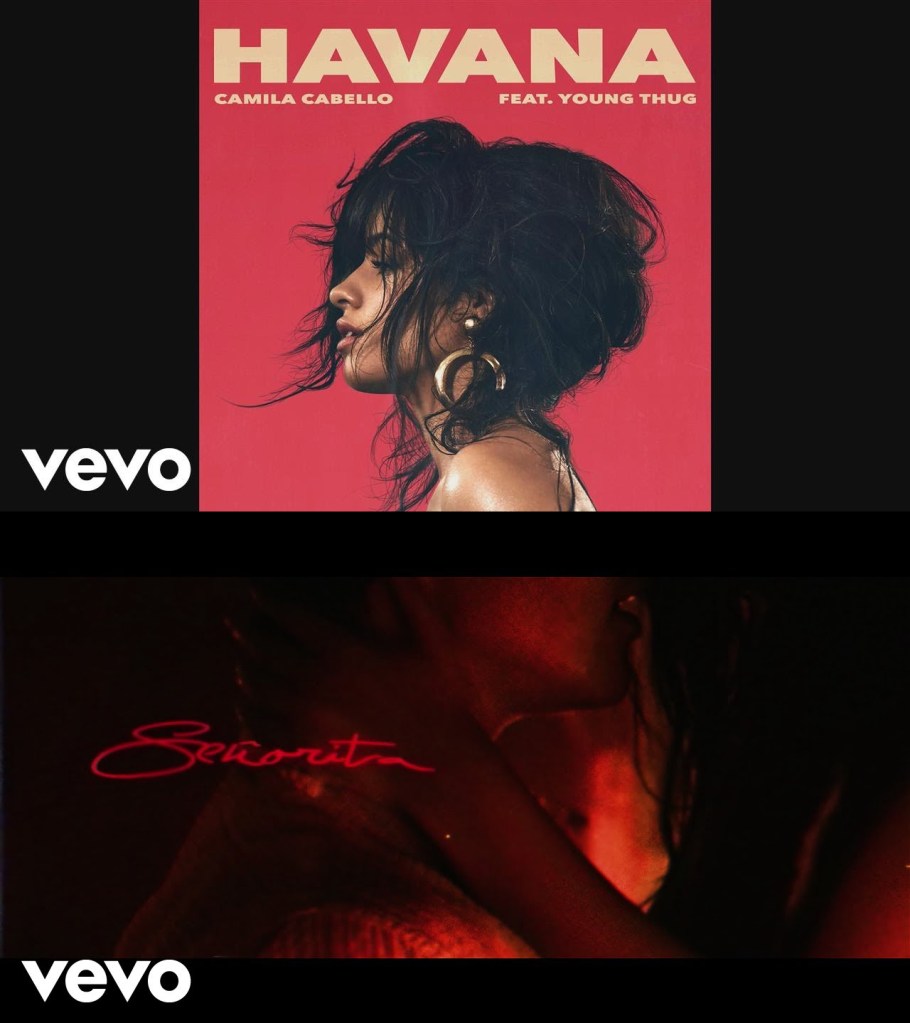
With two smash singles Havana and Senorita, the Cuban-American singer and songwriter Camila Cabello seems to become the Generation Z’s biggest pop star. Both Havana and Senorita are Latin songs and may make people confused whether they are cultural appropriation or cultural appreciation.
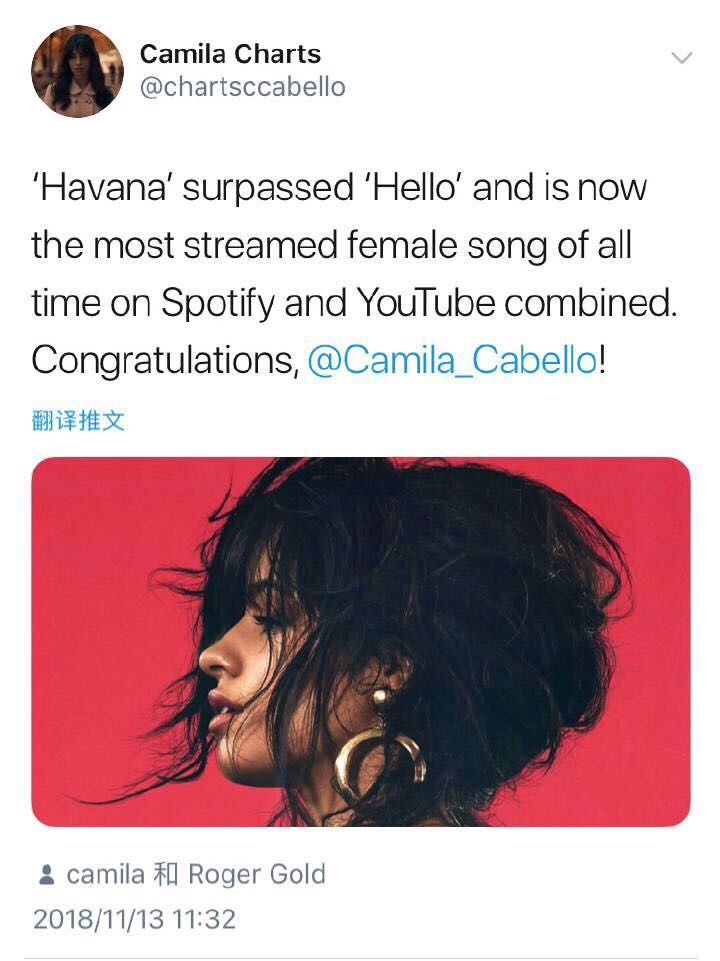
Havana is the lead single of Cabello’s debut solo album Camila, which topped the iTunes chart in many countries including the UK and the U.S. She integrated Latin music feature into the song, making it outstandingly catchy. The flow of the melody is appealing from the very beginning and Cabello has a charming hoarse voice that suit the song’s lazy tune very well. Though the simple lyrics keep being repeated, by using different instruments like saxophones and conga, a Cuban percussion instrument, the mood of the song was intensified gradually to make the audience excited.
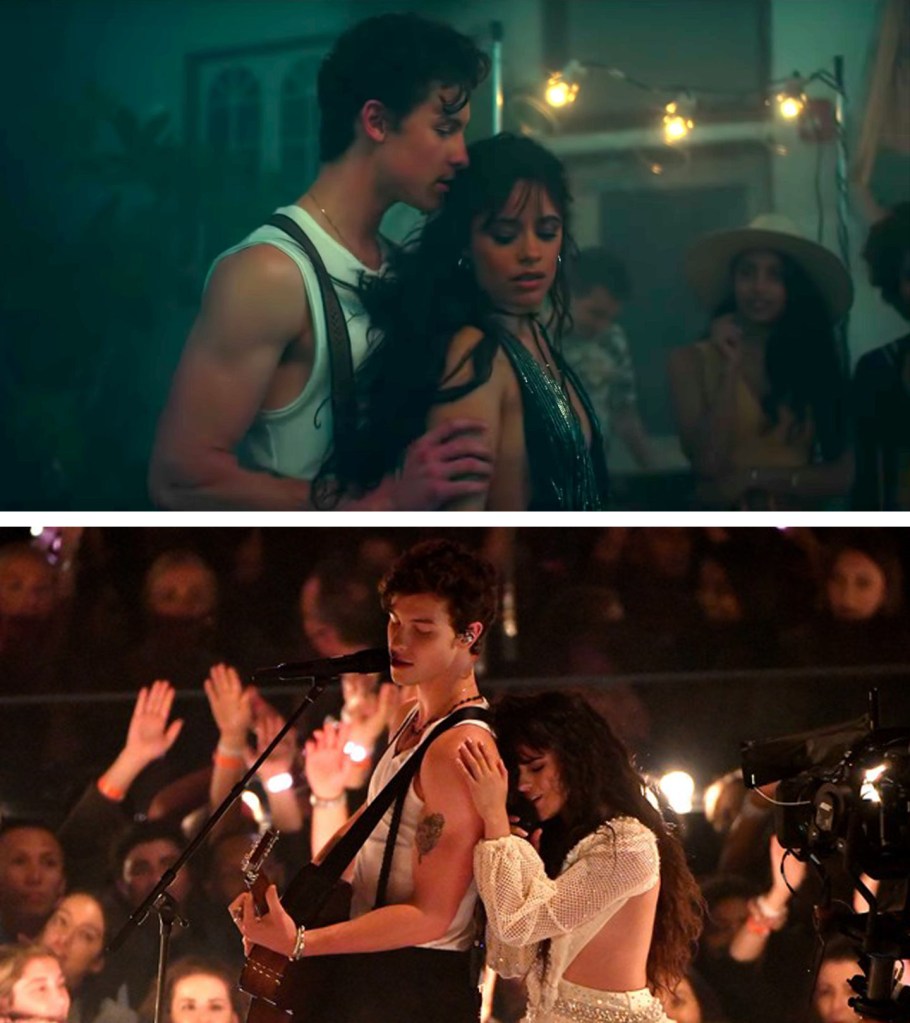
A year after Havana hit the global music market, Camila Cabello collaborated with Canadian singer who is also her boyfriend, Shawn Mendes, releasing the song Señorita. It is also an airy, mid-tempo Latin pop track which is commented as “effortlessly steamy and wonderfully lightweight” by Shaad D’Souza from The Fader.
Therefore, these two songs are good examples of the global flows from south to north in media, but they also arouse questions about cultural appropriation.
Cultural appropriation refers to the ways people adopt or adapt an aspect of another’s culture and make it their own (Heyd, 2003; Hladki, 1994). Learning other cultures, especially the minority cultures, can inspire new ideas but the key point is whether it is taking or making. As said in an article from The Washington Post, “when Justin Timberlake beatboxes, or Taylor Swift raps, or Miley Cyrus twerks to a trap beat, it feels like taking. Nothing is being invented other than a superficial juxtaposition.”

However, from my perspective, Havana and Senorita are definitely not that cultural appropriation. Frist of all, Camila Cabello herself was born in Havana, Cuba and have lived there for five years. Because of her Latin heritage, the Latin character and culture is integrated into this song in a very natural and attractive way. This may also contribute to the fact that these two songs are more successful than Cabello’s other songs. They are unique, sounding fresh and new. Another reason is that Cabello did a good job in mixing the Cuba culture to her pop songs. She “made” new marvelous things, not just “taking” things awkwardly. Therefore, this unique Latin style makes Havana and Senorita stand out from hundreds of thousands of pop songs in contemporary music industry which hungers for diversity.
To adapt other countries’ culture, especially the marginal culture from some developing countries will be good for the global music market because it makes music more diverse and also help promote the communication of different cultures. We hope to see more cultural appreciation instead of cultural appropriation.
Reference:
Heyd, T 2003, ‘Rock art aesthetics and cultural appropriation’, The Journal of Aesthetics and Art Criticism, vol.61, no. 1, pp. 37–46.
Hladki, J 1994 ‘Problematizing the issue of cultural appropriation’, Alternate Routes: A Journal of Critical Social Research, 11, pp. 95–119.
The 5 hardest questions in pop music By Chris Richards 2018 https://beta.washingtonpost.com/news/style/wp/2018/07/02/feature/separate-art-from-artist-cultural-appropriation/ [viewed August 30]
Why isn’t more mainstream pop as fun as Camila Cabello and Shawn Mendes? By SHAAD D’SOUZA 2019 https://www.thefader.com/2019/06/25/camila-cabello-shawn-mendes-senorita-essay-review [viewed August 31]
 ThisisAngela